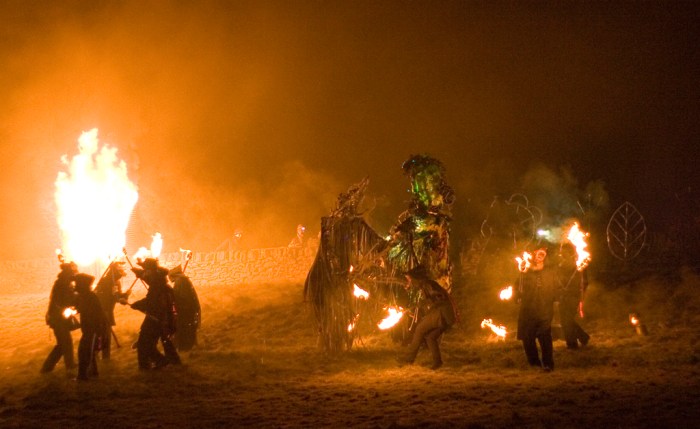
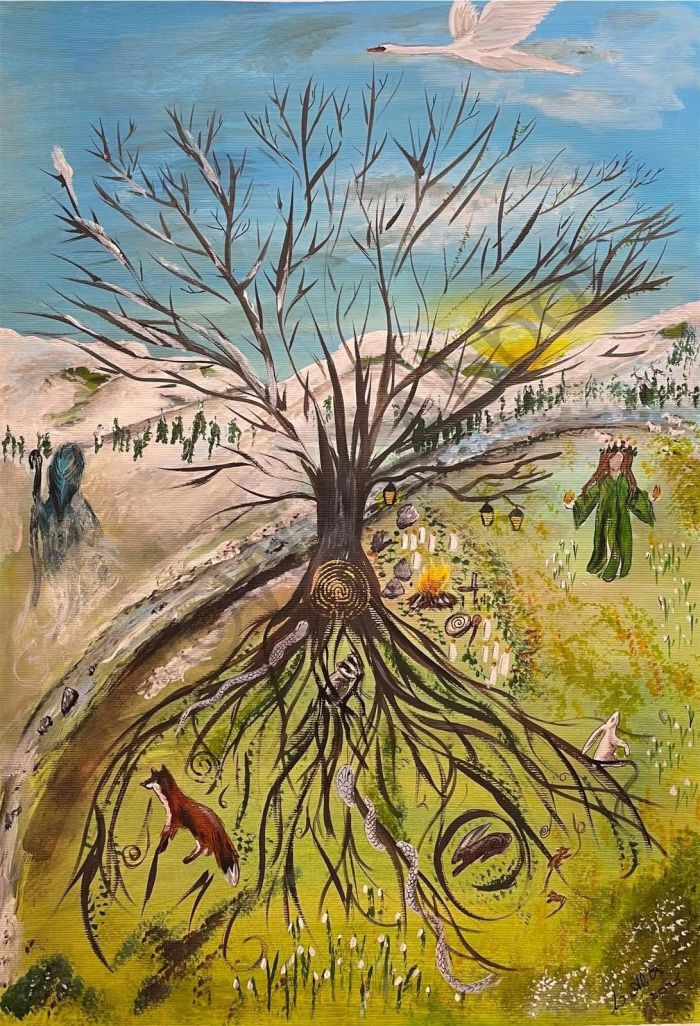
Artwork © Wyn Abbot. All rights belong to the artist. Introduction: Divine Figures in the Turning of the Year The figures of the Cailleach and Brigid occupy a central place in Gaelic seasonal lore, representing the shifting forces of winter and spring in the landscapes of Ireland and Scotland. Although they emerge from different strands … Continue reading The Cailleach and Brigid: Seasonal Powers in Gaelic Tradition
Tag: spirituality
A Turning with the Seasons: The Living Wisdom of the Wheel of the Year
Across the Pagan world, the Wheel of the Year is a sacred cycle of eight seasonal festivals, known as the Sabbats, which trace the dance between light and shadow, life and death, birth and renewal. To walk this wheel is to step into rhythm with the natural world and to recognise that we, too, are … Continue reading A Turning with the Seasons: The Living Wisdom of the Wheel of the Year
Celebrating Samhain with Children: Cooking, Crafts, Nature, and Dress-Up for Pagan Families
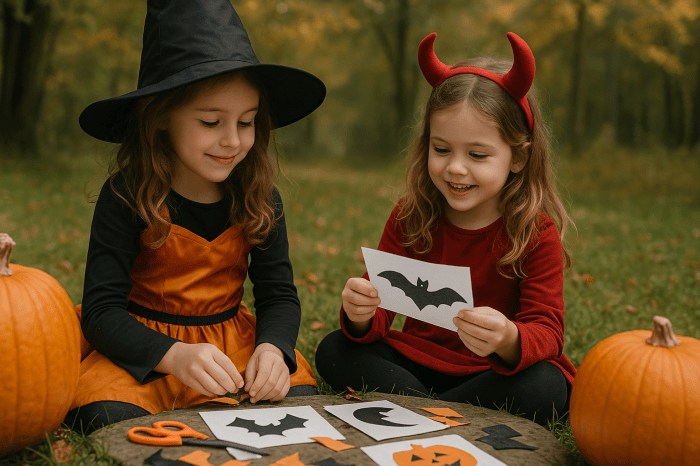
Samhain, the ancient Celtic festival marking the end of the harvest and the beginning of winter, is one of the most sacred Sabbats on the Wheel of the Year. Often seen as the Pagan New Year, it’s a time to honour ancestors, reflect on the cycles of life and death, and embrace the thinning veil … Continue reading Celebrating Samhain with Children: Cooking, Crafts, Nature, and Dress-Up for Pagan Families
Who Is the Mórrígan?
Understanding the Irish Goddess Through Lore, Land, and Living Practice The Mórrígan is one of the most powerful and multifaceted deities in Irish mythology. She’s often called a war goddess, yet that title barely captures her depth. Scholar Máire Herbert reminds us that her role “cannot be confined to war”; she is also a guardian … Continue reading Who Is the Mórrígan?
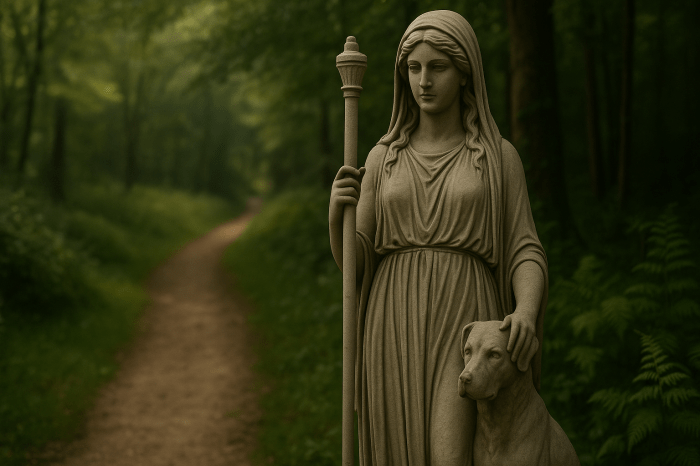
The Cailleach and the Wild Wisdom of Winter
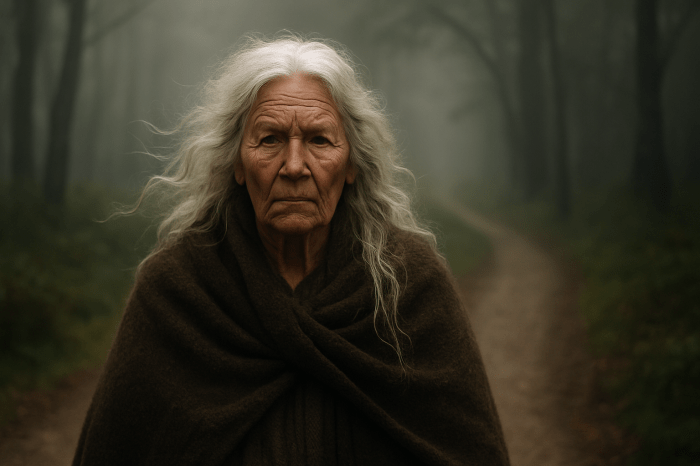
In Celtic mythology, the Cailleach is a powerful and ancient figure known as the old woman of winter. Her name comes from a Gaelic word meaning “old woman” or “hag,”. She appears in many traditional stories from Scotland, Ireland, and the Isle of Man and is said to control winter, shape the landscape, and command … Continue reading The Cailleach and the Wild Wisdom of Winter
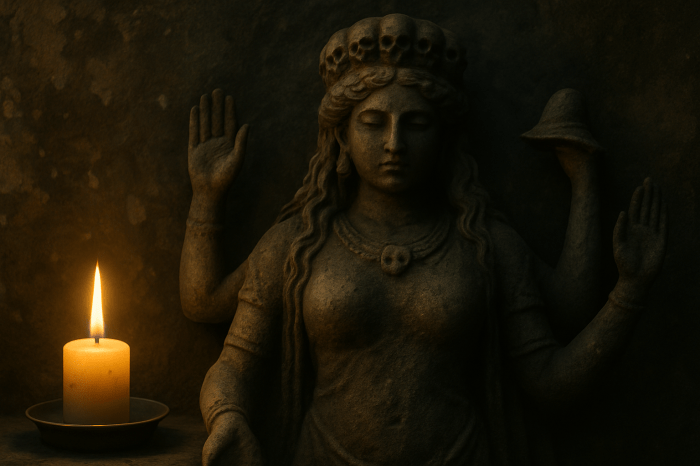
Hecate: Guardian of Thresholds, Ancient and Modern
Hecate is one of those goddesses who continues to capture imaginations across centuries. She stands at the crossroads of history, myth, and spirituality—an enigmatic figure who refuses to be confined to any single role. To explore Hecate is to journey through ancient Greece and Asia Minor (present day Turkey), down shadowed paths lit only by … Continue reading Hecate: Guardian of Thresholds, Ancient and Modern
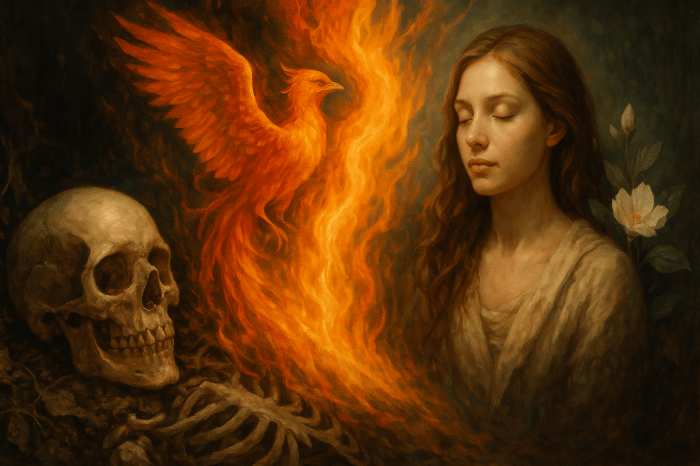
The Alchemy of Transformation: Death, Rebirth, and the Renewal of Self
The Sacred Nature of Change Transformation is one of the oldest spiritual truths woven through nature, myth, and magic. In the turning of the seasons, in the shedding of skin or leaf, we see the same pattern reflected: something must fall away for something new to take form. For us, transformation is not a surface … Continue reading The Alchemy of Transformation: Death, Rebirth, and the Renewal of Self
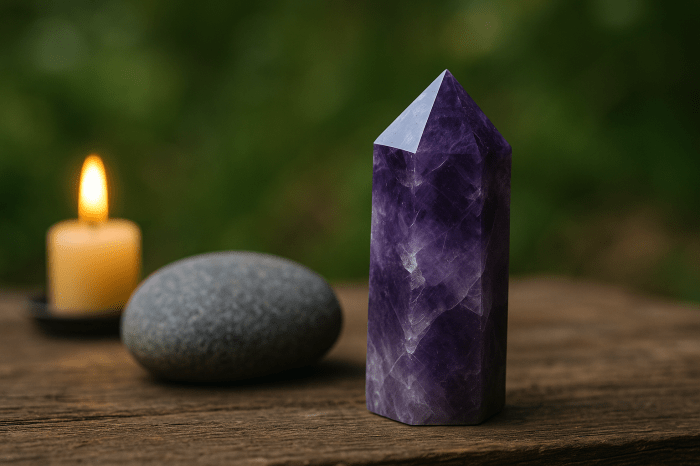
Crystals and Right Relationship: Extending Our Ethics in Spiritual Practice
I recently bought a polished amethyst crystal shaped like a spearhead. It was beautiful—deep violet, cool in the hand, and perfect, I thought, for my altar. I even planned a ritual to consecrate it. But before I began, a quiet question surfaced: How do I know it was sourced ethically? Is it truly right to … Continue reading Crystals and Right Relationship: Extending Our Ethics in Spiritual Practice
Debunking the Term “Dark Goddess”: A Critical Examination
Introduction The expression “Dark Goddess” has gained traction in modern esotericism, neopaganism, and popular spirituality. It is frequently applied to deities associated with war, death, the underworld, or transformation, such as the Mórrígan in Irish tradition, Hecate in Greek religion, Kali in Hinduism, or Ereshkigal in Mesopotamian mythology. Advocates of the term often intend to … Continue reading Debunking the Term “Dark Goddess”: A Critical Examination