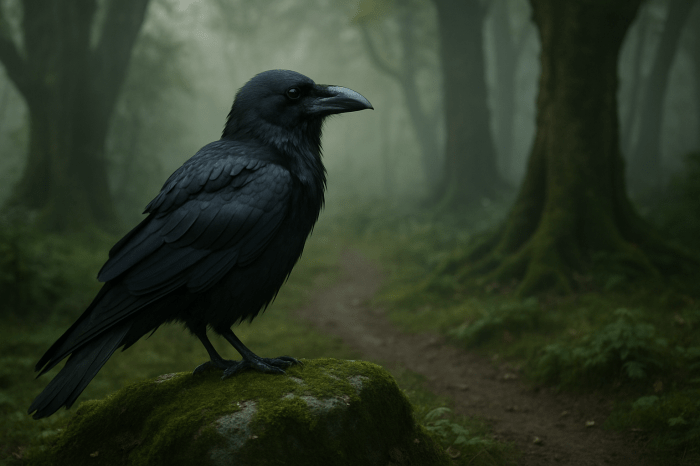
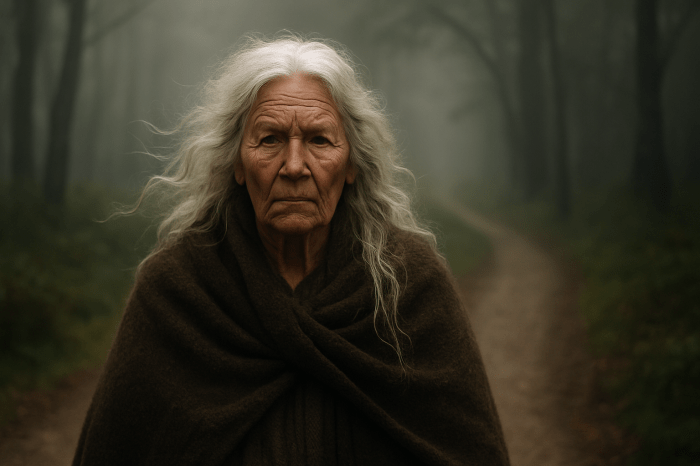
In a time of ecological uncertainty and spiritual fragmentation, Celtic shamanism offers a path of reconnection that honours the land, the ancestors, and the unseen realms. Rooted in the spiritual traditions of the ancient Celts, this practice is not just historical. It’s a living, evolving way of engaging with the world. What Is Celtic Shamanism? … Continue reading Celtic Shamanism: Reconnecting with the Ancient Soul of the Land
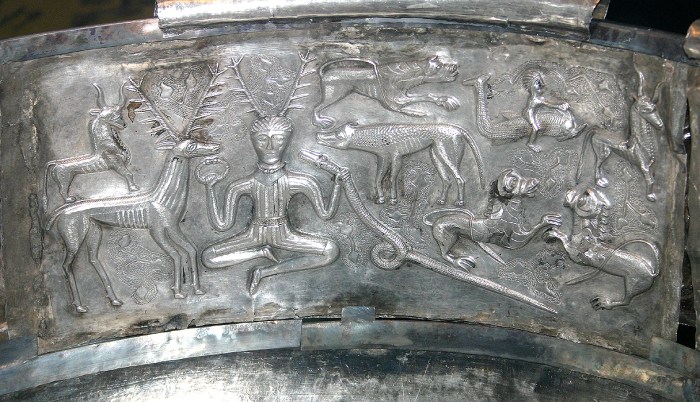
Month: October 2025
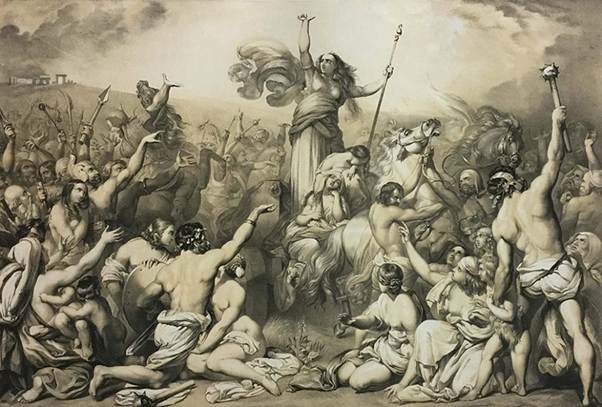
Andraste — The “Invincible” Goddess of British War and Sovereignty
Introduction Andraste occupies a fascinating yet elusive place in the mythology of ancient Britain. She is primarily known from a single classical account, yet modern scholarship and devotion have drawn out her themes of war, victory, sovereignty, and feminine power. This article explores her origins, historical attestation, iconography and symbolism, and modern reception, with attention … Continue reading Andraste — The “Invincible” Goddess of British War and Sovereignty
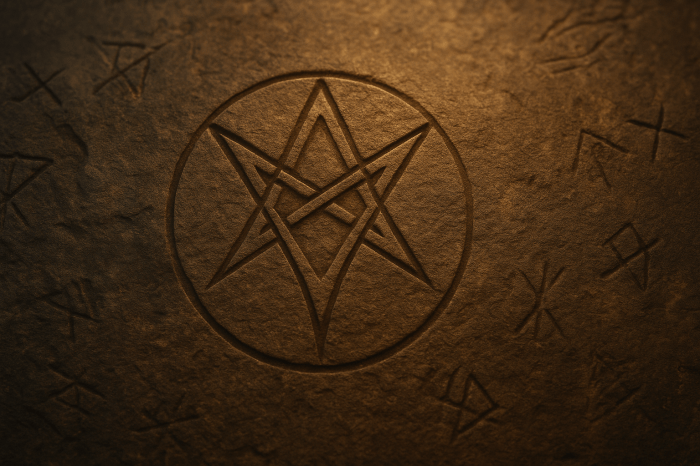
The Unicursal Hexagram: A Symbol of Unity in Motion
Among the sacred symbols of geometry, few carry the quiet power and mystery of the unicursal hexagram — a six-pointed star drawn in one unbroken line.While the traditional hexagram, or Star of David, is composed of two interlocking triangles, the unicursal version flows as a single, continuous path, weaving heaven and earth together in one … Continue reading The Unicursal Hexagram: A Symbol of Unity in Motion
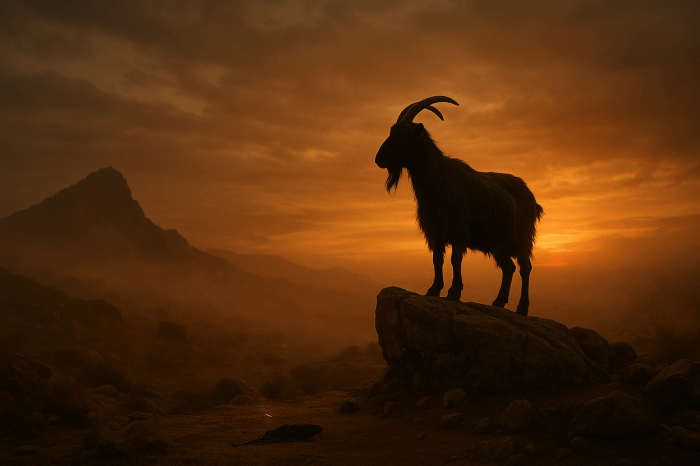
Azazel: The Scapegoat and the Fallen Watcher
1. Introduction The figure of Azazel is one of the most enigmatic in ancient religious literature. Appearing briefly in the Hebrew Bible, yet expanded dramatically in apocryphal and mystical writings, Azazel evolves from a ritual term in priestly law into a cosmic being symbolising rebellion, sin, and exile. His story bridges the realms of theology, … Continue reading Azazel: The Scapegoat and the Fallen Watcher
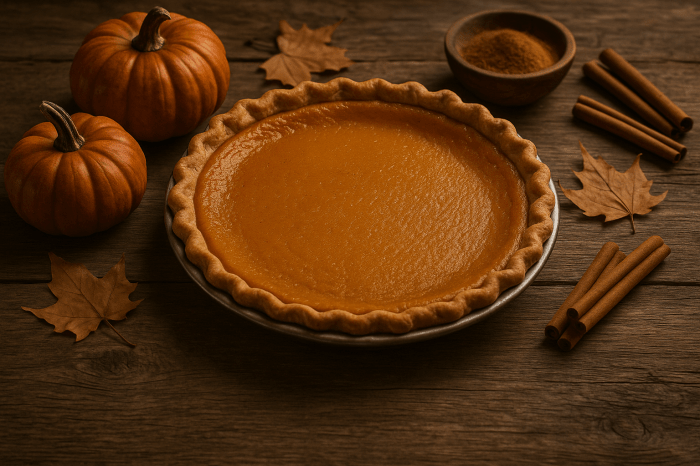
Pumpkin Pie
There is literally nothing that ties me to my American, Appalachian/Cherokke/Melungeon heritage more strongly than pumpkin pie. Maybe apple pie is the quintessential pie that defines my home country (as American as apple pie, they say) but for me, it has got to be pumpkin with its ties to Thanksgiving and Native American customs and … Continue reading Pumpkin Pie
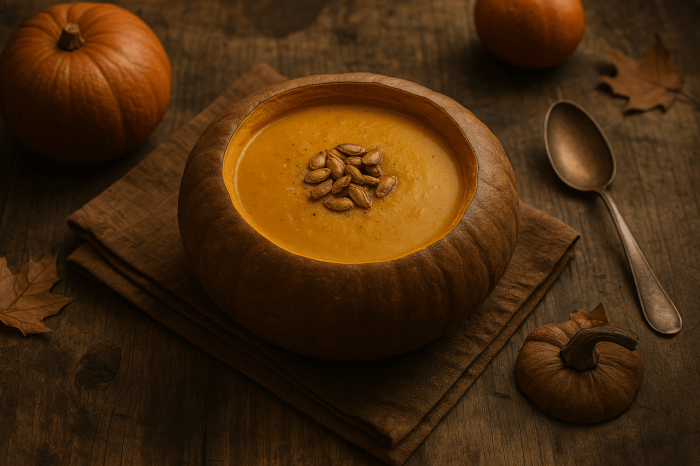
Pumpkin Soup
Oh, my goodness, I absolutely love pumpkin soup. The silky, rich consistency just hits the spot especially on a chilly Autumn evening or in the very midst of Winter bleakness. It is especially tasty if you have made it from a plumpciously juicy fresh pumpkin, harvested that season, rather than from the tins. Now, I … Continue reading Pumpkin Soup
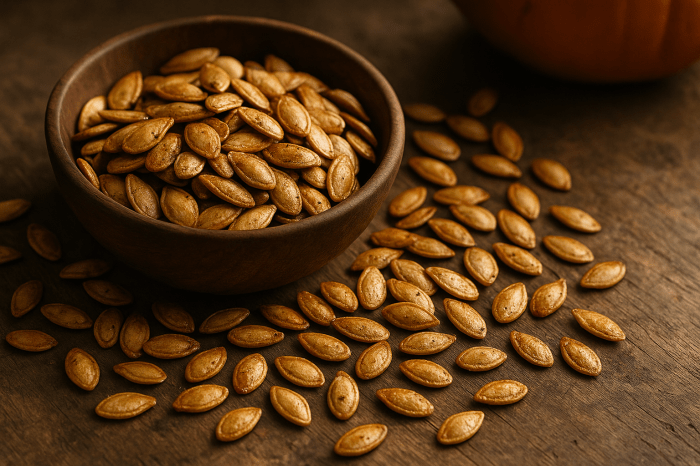
Roasted Pumpkin Seeds
Pumpkins are the perfect symbol of Autumn and Samhain. I know they didn’t come over from the New World to Europe until the early 1500s but that’s definitely long enough to be considered history here, too! Pumpkins represent the bounty of the land, the ripe and raucous culmination of Spring planning and prepping, Summer tending, … Continue reading Roasted Pumpkin Seeds
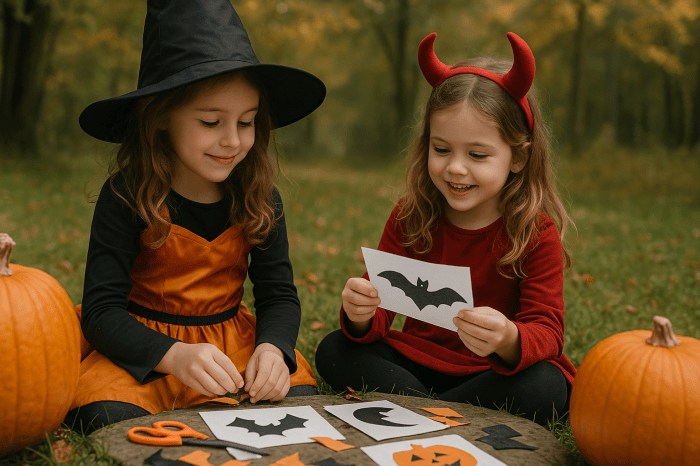
Celebrating Samhain with Children: Cooking, Crafts, Nature, and Dress-Up for Pagan Families
Samhain, the ancient Celtic festival marking the end of the harvest and the beginning of winter, is one of the most sacred Sabbats on the Wheel of the Year. Often seen as the Pagan New Year, it’s a time to honour ancestors, reflect on the cycles of life and death, and embrace the thinning veil … Continue reading Celebrating Samhain with Children: Cooking, Crafts, Nature, and Dress-Up for Pagan Families
Who Is the Mórrígan?
Understanding the Irish Goddess Through Lore, Land, and Living Practice The Mórrígan is one of the most powerful and multifaceted deities in Irish mythology. She’s often called a war goddess, yet that title barely captures her depth. Scholar Máire Herbert reminds us that her role “cannot be confined to war”; she is also a guardian … Continue reading Who Is the Mórrígan?
The Cailleach and the Wild Wisdom of Winter
In Celtic mythology, the Cailleach is a powerful and ancient figure known as the old woman of winter. Her name comes from a Gaelic word meaning “old woman” or “hag,”. She appears in many traditional stories from Scotland, Ireland, and the Isle of Man and is said to control winter, shape the landscape, and command … Continue reading The Cailleach and the Wild Wisdom of Winter